This Preservation Month, experts from Chicago, New York and L.A. share how existing tools and new approaches for renewing buildings can support housing needs and responsible growth.
New Paths to Preservation: The Late Modern Dilemma
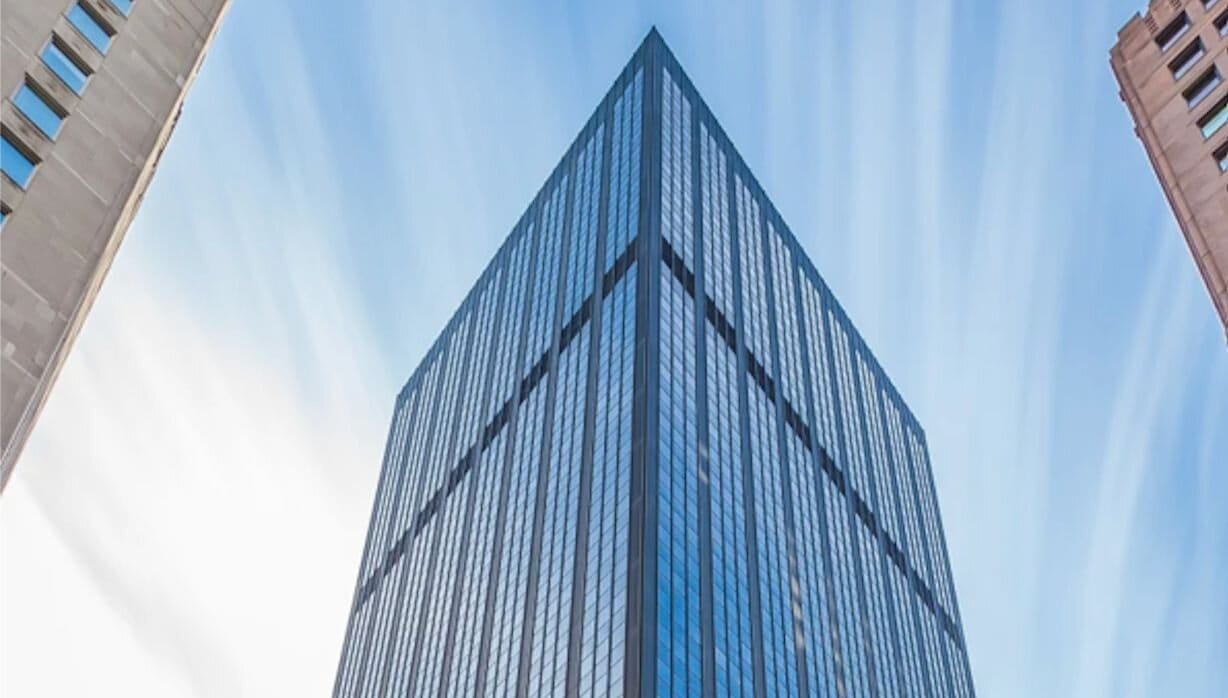
30 North LaSalle Street, 1975, was landmarked ahead of a planned residential conversion.

As cities face rising housing demand and underused office space, preservation of existing buildings is now playing a more pivotal role in what comes next.
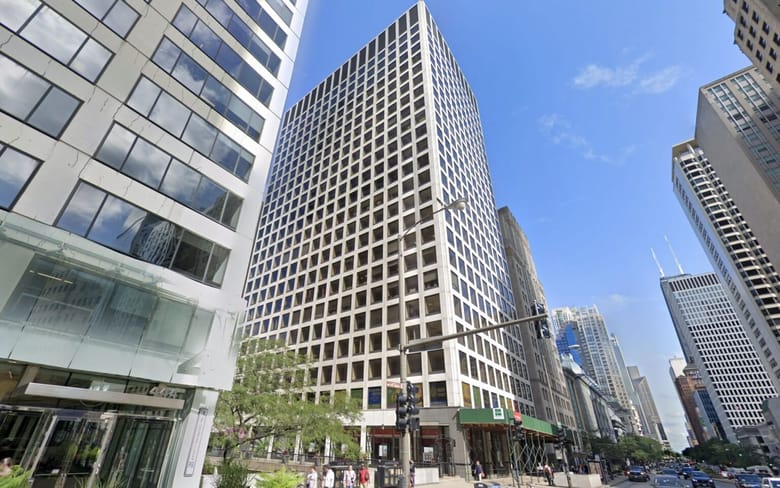
Last December, the Commission on Chicago Landmarks voted to landmark 30 N. LaSalle, a 1975 high-rise built on the former site of Adler & Sullivan’s Chicago Stock Exchange Building. The decision was controversial, as many in the preservation community question the building’s historical significance. It also made the building eligible for “Class L” tax abatements — an incentive for developers to rehabilitate historic buildings for new uses, in this case as residential units along the Loop’s LaSalle Street corridor.
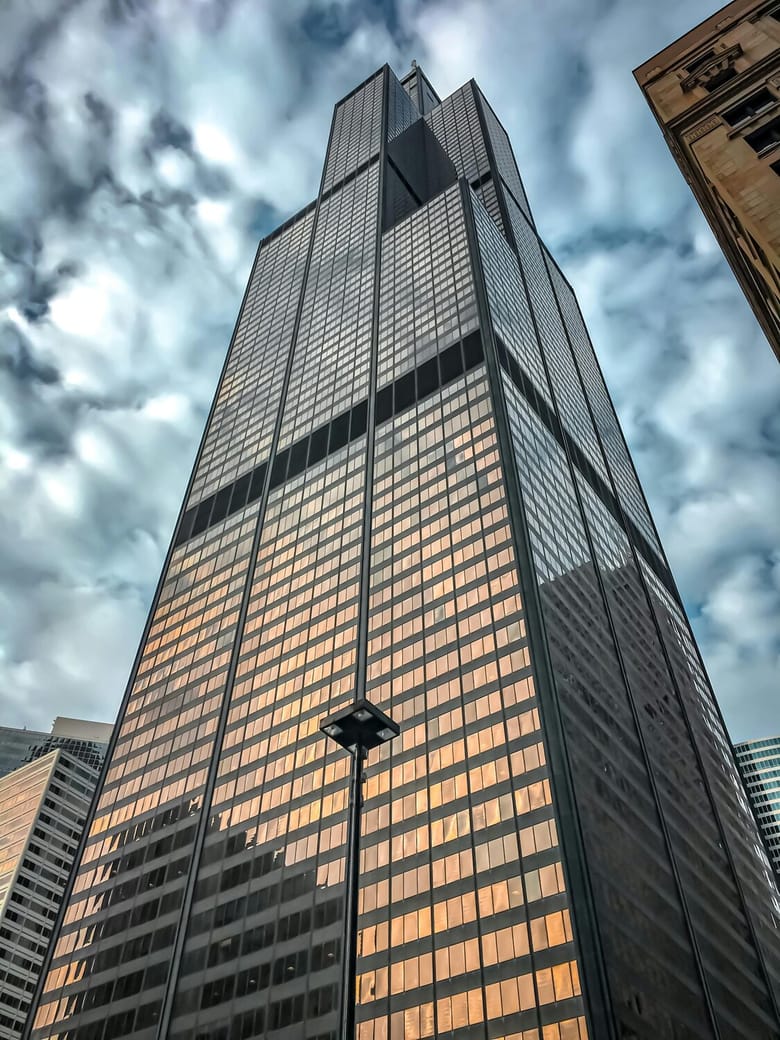
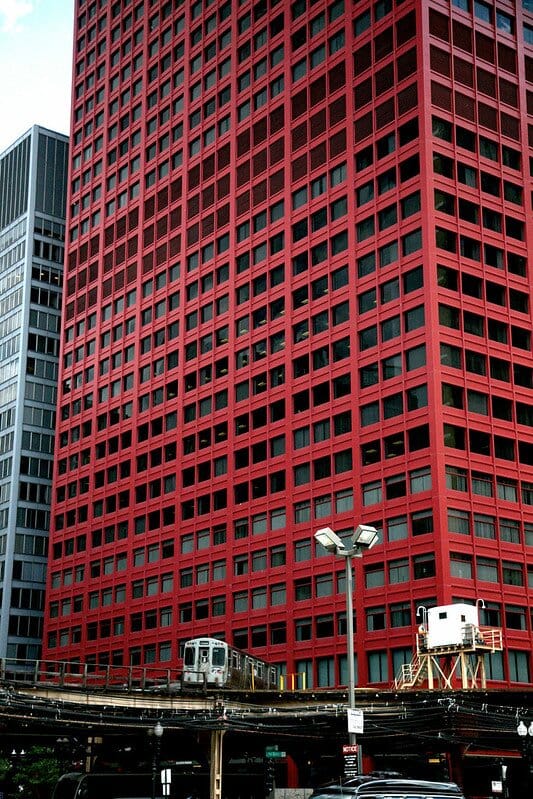
This high-profile case highlights a broader issue: many Late Modern office buildings are becoming obsolete. While some buildings like Willis Tower and “Big Red” have been successfully redeveloped, many others will require creative reuse to avoid demolition.
Is there a better way to incentivize redevelopment than by landmarking for tax benefits? How might an evolving preservation toolkit serve this urgent need?
Here to answer these questions are: Kendra Parzen, Advocacy Manager at Landmarks Illinois; Adam Rubin, CAC Sr. Director of Public Engagement (and a Chicago landmarks commissioner); Frank Mahan, AIA, Design Principal, Adaptive Reuse Practice Leader, SOM; and Ken Bernstein, who heads the Office of Historic Resources for the City of Los Angeles where a citywide adaptive reuse ordinance was recently adopted.


Keynote speaker
Lorem ipsum dolor sit amet, consectetur adipiscing elit. Phasellus leo nulla, porta a ligula ut, commodo ultrices quam. Suspendisse non mollis odio.
Sed vestibulum ut arcu vel feugiat. Morbi iaculis augue risus, at pharetra nibh blandit nec. Etiam feugiat volutpat nunc vel aliquet. Maecenas mollis turpis at odio fringilla, eget iaculis tortor congue.
Meet the speakers
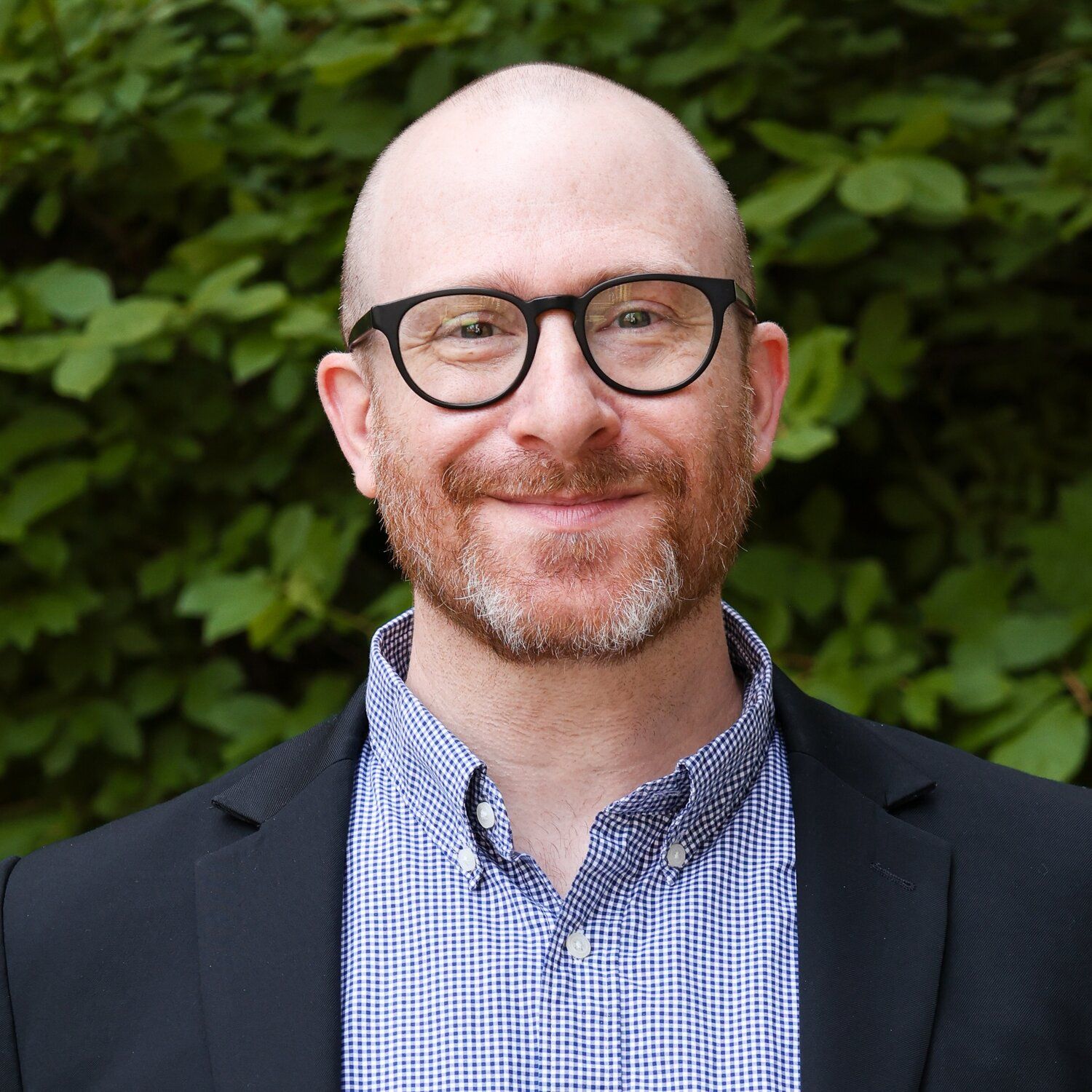
Adam Rubin is the Senior Director of Public Engagement at the Chicago Architecture Center, where he oversees public programs and festivals including the Architecture and Design Film Festival and Open House Chicago. He has led preservation education initiatives focused on cultural resources in cities across the US, including New York, Washington D.C. and his hometown of Los Angeles. He holds a BFA from New York University in Cinema Studies and an MA from the George Washington University in American Studies-Historic Preservation. He currently serves on the Commission on Chicago Landmarks.
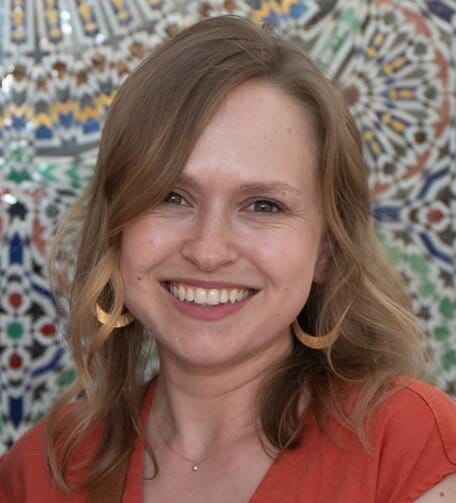
Kendra Parzen is the Chicago-area Advocacy Manager for Landmarks Illinois, a statewide nonprofit organization that promotes historic preservation as a tool for inclusive history, community and economic development, climate change and housing. She is dedicated to connecting communities throughout Chicagoland with the resources they need to protect the places that matter to them. Prior to Landmarks Illinois, Kendra worked for the National Trust for Historic Preservation and for EHT Traceries, a Washington, D.C. preservation consulting firm. She holds a BA cum laude in history from Pomona College, an MFA in historic preservation from the Savannah College of Art and Design and is currently pursuing graduate coursework in sustainability.
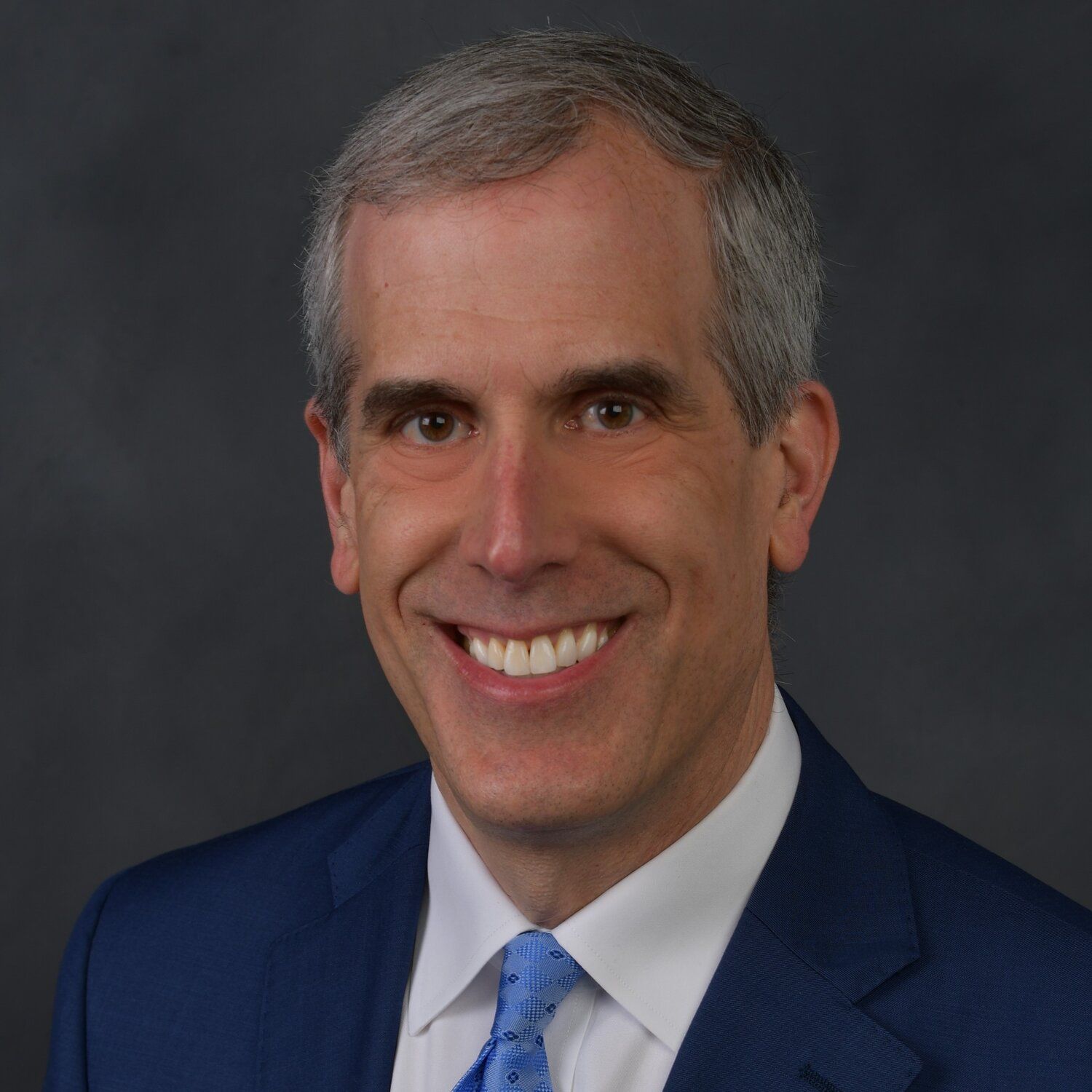
Ken Bernstein is a Principal City Planner for Los Angeles City Planning, where he leads the department’s Office of Historic Resources. He serves as a lead staff member for the City’s Cultural Heritage Commission, has overseen the completion of SurveyLA, a multi-year citywide survey of historic resources and has led the creation of a comprehensive historic preservation program for Los Angeles. He also oversees the Department’s Urban Design Studio and has previously directed other policy planning initiatives, including work on Community Plan updates, housing policy and mobility planning.
He previously served for eight years as Director of Preservation Issues for the Los Angeles Conservancy. Ken is currently an Adjunct Professor in urban planning for the USC Price School of Public Policy and serves as a Senior Fellow for UCLA’s Luskin School of Public Affairs. He has a Master’s Degree in Public Affairs and Urban and Regional Planning from Princeton University and a B.A. in Political Science from Yale University. He is the author of the book Preserving Los Angeles: How Historic Places Can Transform America’s Cities.
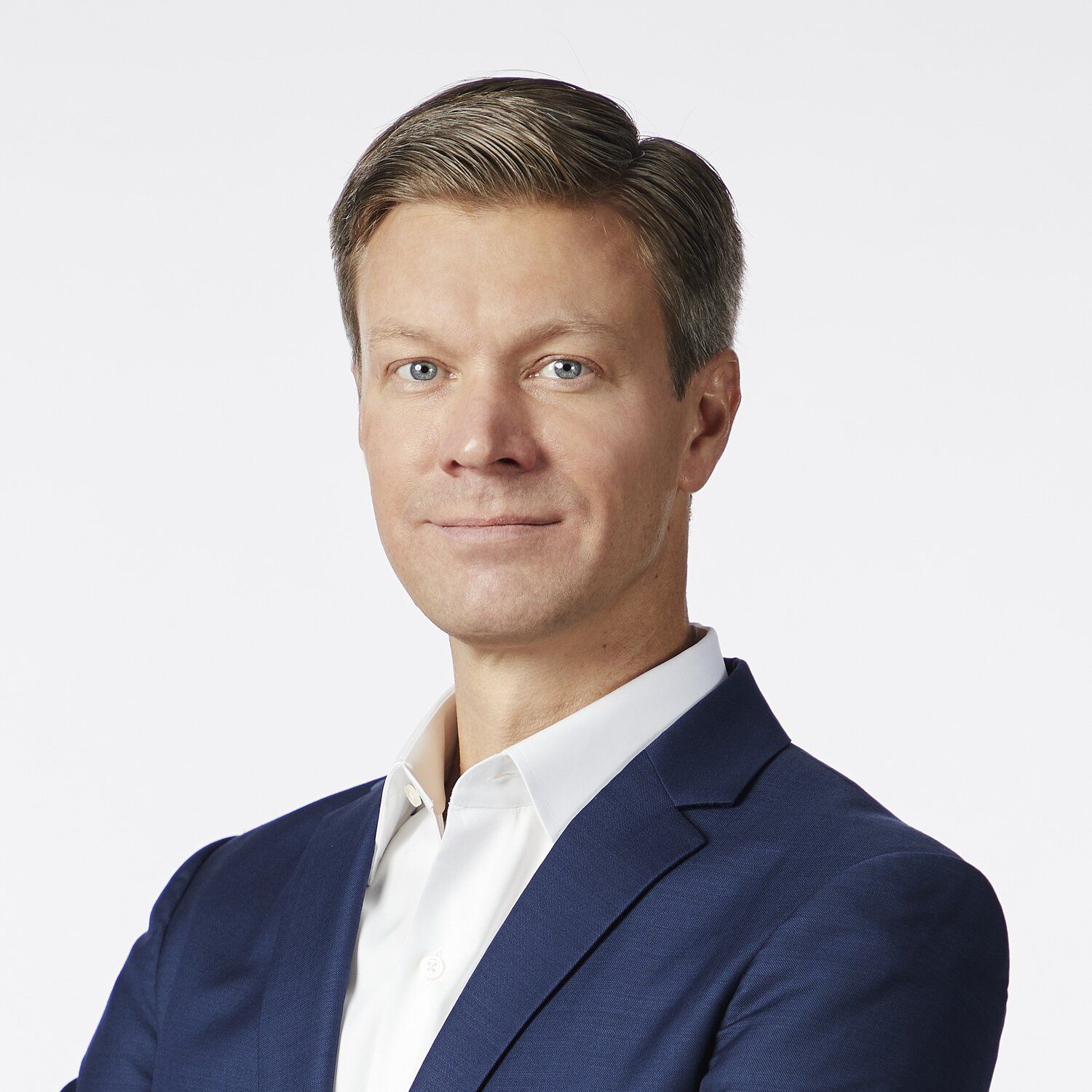
A recognized leader in preservation and adaptive reuse, Frank sees our existing buildings as key components of a global effort to combat climate change. Through adaptive reuse, he believes that architects can save embodied carbon while reviving our most cherished cultural landmarks. Frank begins these projects with deep research in order to understand the history of a building before shaping its next life — a method that he has applied in the redevelopment of icons like the Waldorf Astoria and the James A. Farley Post Office.
He is also pioneering an emerging type of work — the rejuvenation of aging midcentury modern buildings. With a portfolio that includes some of SOM's own legacy projects, such as Lever House and 9 West 57th Street, this work is enhancing the vitality and sustainability of midcentury landmarks.
In 2025, Frank was appointed to serve on the New York City Landmarks Preservation Commission, the largest and most sophisticated municipal preservation agency in the United States. Frank has been recognized with the AIA Young Architects Award and has been named to Building Design+Construction’s 40 Under 40 list.




288 apartments are coming to 500 North Michigan Avenue, pending its office-to-residential conversion.
Willis Tower benefitted from a $500 million repositioning to meet today's Class A office standards.
Another Late Modern tower, 333 South Wabash (aka "Big Red"), had a successful turnaround focused on office tenant amenities.