CAC River Cruise aboard First Lady
The cruise that puts Architecture First. Voted the #1 best boat tour in the United States by...

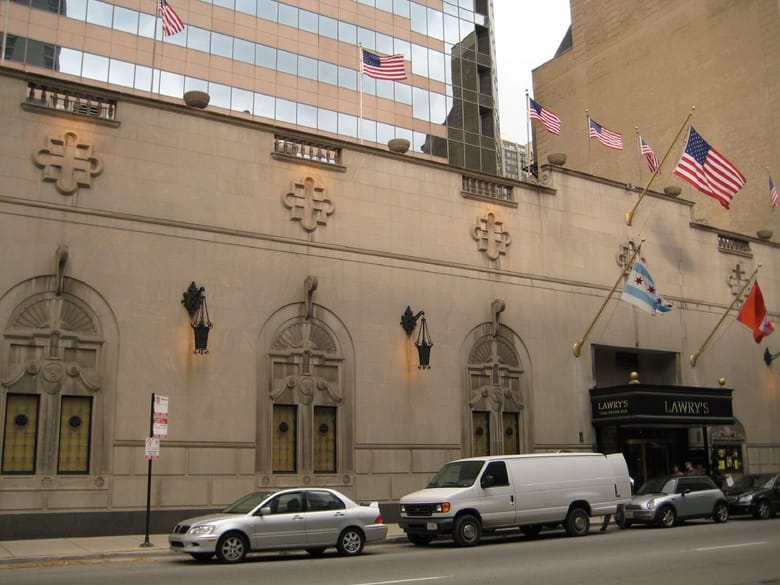
Lawry’s Restaurant, Photo credit: Victorgrigas via Wikimedia Commons
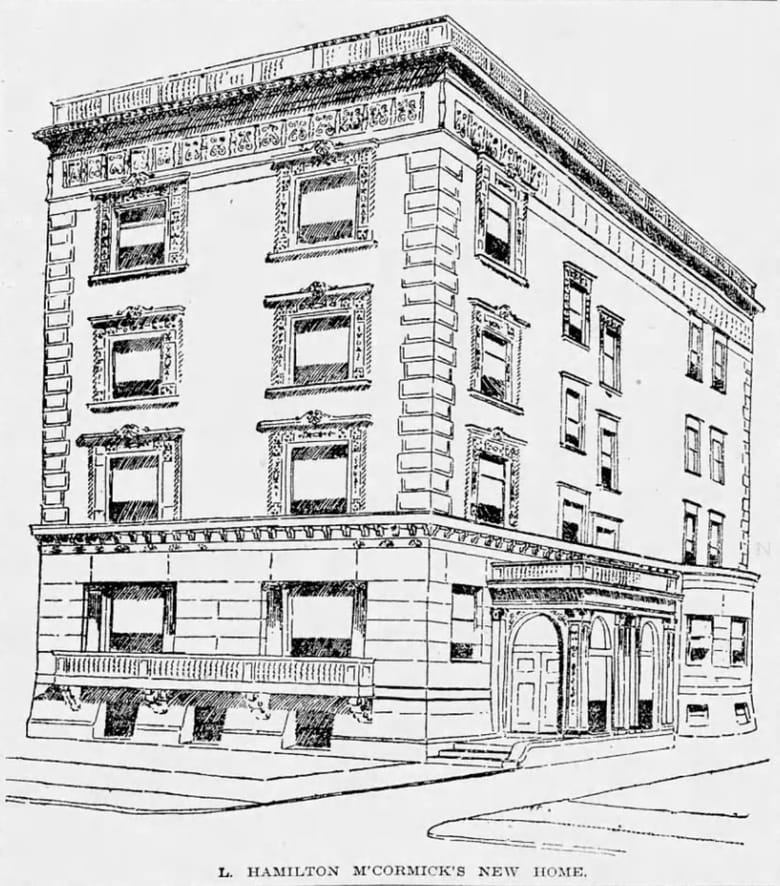
McCormick Mansion sketch: The Chicago Chronicle Sunday, Nov 03, 1895
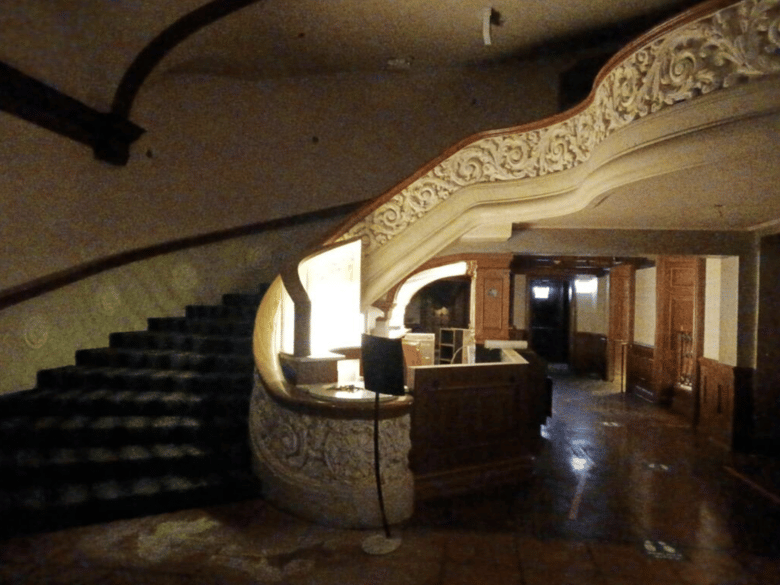
Preconstruction photo of the grand staircase at McCormick Mansion at 100 E. Ontario St. Credit: Ward Miller / Preservation Chicago
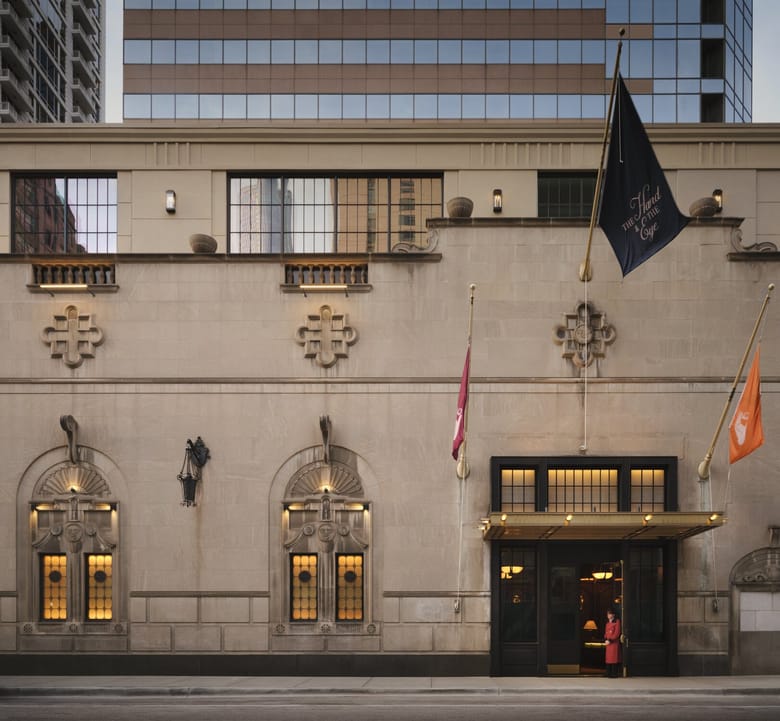
Douglas Friedman for The Hand & The Eye
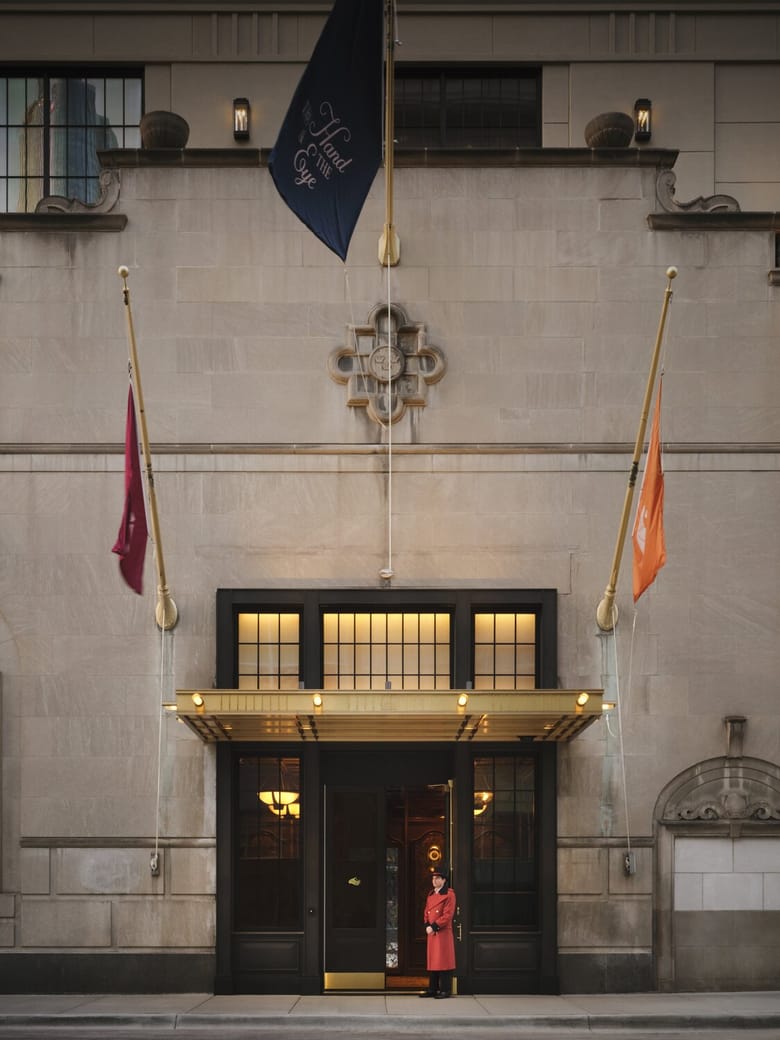
Douglas Friedman for The Hand & The Eye
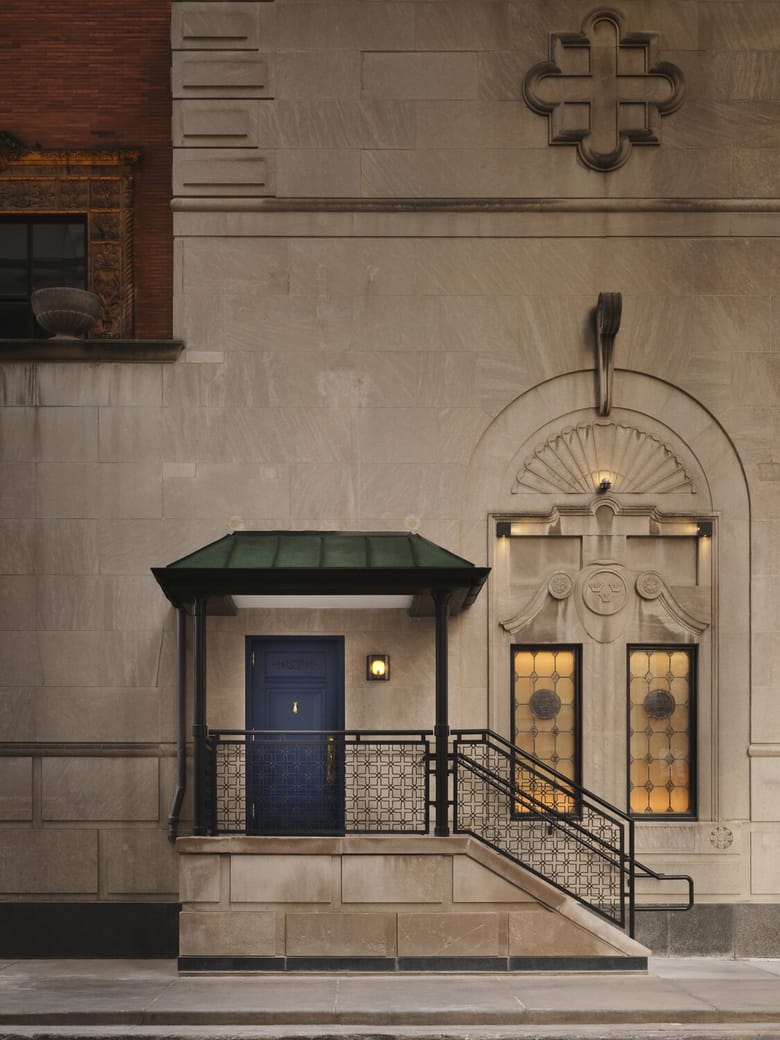
Douglas Friedman for The Hand & The Eye
Official Name | McCormick Mansion |
Address | 100 E. Ontario |
Architect | |
Style | |
Neighborhood | River North |
Original Completion Date | 1895 |
Few Chicago buildings have lived as many lives as this mansion. From gilded residence to performance venue, reinvention has remained constant.
At the corner of Rush Street and Ontario Street stands one of downtown Chicago’s most layered historic structures: the McCormick Mansion. Over the course of more than a century, the building has served as a private residence, restaurant, puppet opera theater, steakhouse, and now a magic venue. Its long record of adaptation reflects both the changing character of Rush Street and the evolving social and cultural life of the city.
The mansion was originally built as the private residence of Leander Hamilton McCormick and his wife, Constance Plummer McCormick, at a time when the River North was emerging as an affluent residential district close to the lakefront. Designed by the architectural firm Cowles & Ohrenstein, the four-story structure was executed in the Italian Renaissance style. The first floor was clad in blue Bedford stone, while the three upper stories were constructed of light pink Roman brick. Ornamental terra cotta window surrounds and a 12-foot-tall, elaborately detailed cornice capped the building, contributing to a composition intended to convey wealth, education, and cultural refinement during Chicago’s Gilded Age.
The interior of the mansion was finished with equal attention and expense. The design incorporated a wide range of formal and service spaces, along with advanced building technologies for the period. Key interior features included:
After approximately a decade of occupancy, the McCormicks relocated and began renting the residence to others. By the early twentieth century, the building transitioned from a private home to commercial and entertainment uses, mirroring Rush Street’s broader shift away from residential life.
In 1937, the mansion became home to The Kungsholm, a Scandinavian restaurant founded by Danish restaurateur Frederik Chramer. One of its most distinctive features was the Kungsholm Miniature Grand Opera, a puppet theater located on the fourth floor. Although a fire damaged part of the theater in 1947, Chramer rebuilt the space in 1952, allowing performances to continue.
From 1974 until 2020, the building housed Lawry’s The Prime Rib restaurant. As of April 2026, following a $50 million renovation, the McCormick Mansion is home to The Hand and The Eye, a venue devoted to the art of magic and illusion, often compared to the Magic Castle in Los Angeles.

Leander Hamilton McCormick was the nephew of Cyrus McCormick, inventor of the mechanical harvester and founder of the McCormick Harvesting Machine Company which became part of the International Harvester Company.
L. Hamilton McCormick authored a book on “characterology,” a now-discredited field that claimed personal character could be determined by facial features.
The original property included a rear stable with a basement, two stories above grade, accommodations for seven horses and eight carriages, and living quarters for coachmen.