Please contact Jorrie Jarrett with any questions or input on the content of this report.
The Obama Presidential Center. Rendering by Tod Williams Billie Tsien Architects.

Highlights from the CAC
October-December 2026
Highlights from the CAC
October-December 2026
Dear Board Members, Volunteer Community and Staff,
Thanks to your dedication, creativity and commitment, Q4 powerfully demonstrated how CAC continues to serve as Chicago’s forum for ideas, dialogue and shared civic experience.
Last fall, we convened a stadiums working group that brought together trustees, business executives, architects and urban planners. The goal was ambitious: to rethink urban stadiums not as isolated megaprojects, but as well-designed assets that spur further community development. The resulting report, "Win/Win: The New Game Plan for Urban Stadiums," articulated what we’ve come to call “The Chicago Model,” and it captured the imagination of local and national media. The CAC will continue meetings and programs with stakeholders and elected officials to brief them on the Model. This project has reinforced CAC’s role as a trusted convener and thought leader on the future of our built environment.
The Open House Chicago festival marked a milestone, celebrating its 15th year of inviting people to experience our city in an open, generous and participatory way. More than 28,000 residents and visitors took part, with a notable increase in exploration of neighborhoods beyond downtown. We saw participants gain new appreciation for the cultural and architectural diversity that makes our city so rich.
Following Open House, year two of our Framed Views photo exhibition opened in the Usher Lambe Gallery. Featuring 60 curated photographs taken by visitors during this year’s OHC festival, the exhibition offers deeply personal and varied perspectives on Chicago’s architecture, culture and character. I encourage you to visit before it closes on February 22, 2026.
In September, The Disappointed Tourist by internationally renowned visual artist Ellen Harvey opened in our Skyscraper Gallery. With 316 thought-provoking post-card-like paintings responding to the question, “Is there some place you would like to visit or revisit that no longer exists?,” the exhibition sparks meaningful conversations about places and their role in identity, memory and nostalgia. It is on view through April 19, 2026.
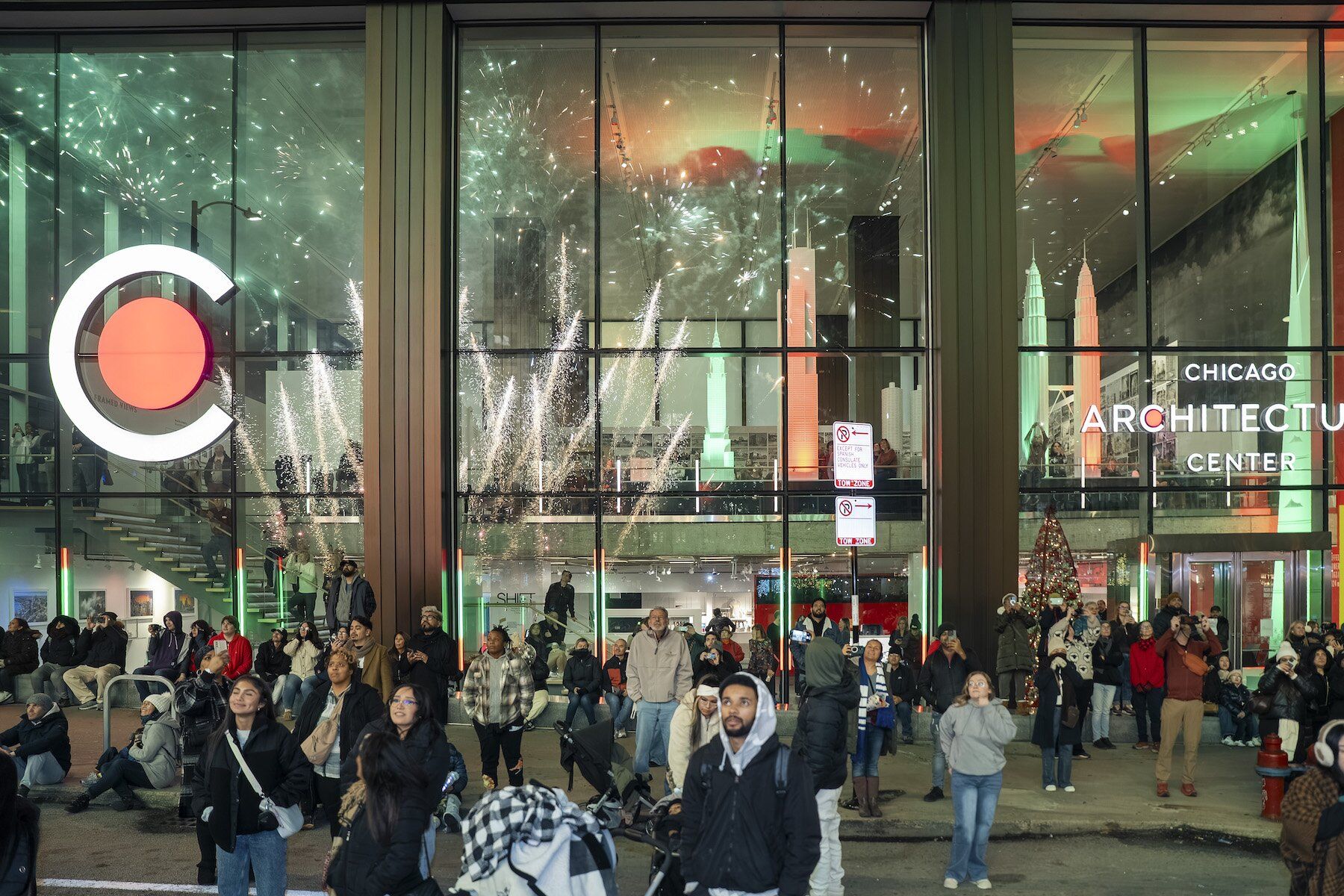
Our River Cruise season concluded in November with continued national recognition. The Chicago Architecture Center River Cruise aboard First Lady was again named Best Boat Tour by the USA Today’s 10 Best Readers Poll, topped the Chicago Reader’s “Best of Chicago” readers’ poll and remains top-ranked on TripAdvisor, a testament to the excellence and passion of our docents and staff. Over the holidays, our member-exclusive lounge at the Wintrust Magnificent Mile Lights Parade offered CAC members a warm, welcoming space to enjoy the parade and fireworks along the riverfront — another example of how we create meaningful, memorable experiences for our community and benefits for our members.
Thank you for everything you do to make CAC a place where architecture, culture, dialogue and shared experiences come together. Your work matters deeply, and I am grateful to be on this journey with you.
With appreciation,
Eleanor Gorski, AIA
CEO & President
Chicago Architecture Center

Open House Chicago
28,244 attendees, 202 sites, 25+ neighborhoods

Youth Education
2,616 participants across 74 programs

Adult Programs
420 participants across 9 programs

Volunteers
433 volunteers gave 4,341 hours of their time

Center Attendance
10,845 visitors

River Cruise
64,882 guests across 585 departures, with season ending Nov 23

Walking Tours
6,328 guests took 889 tours

Retail Sales
$194K in-store sales and $29K online sales with a 53% profit margin
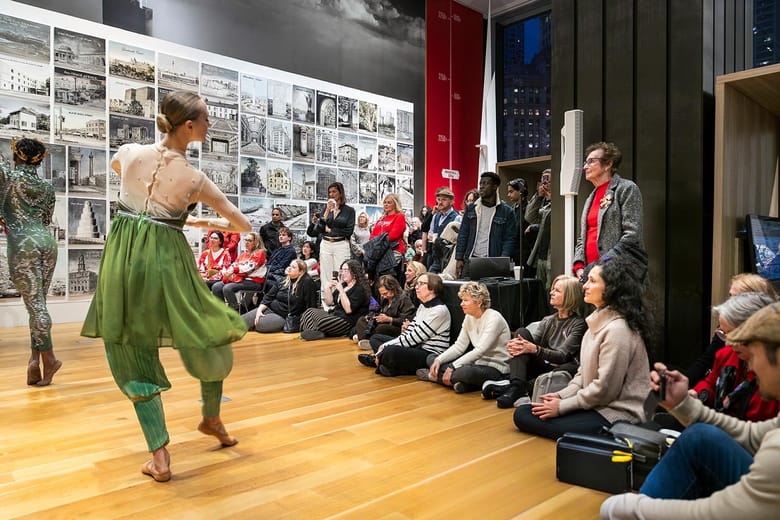
Members enjoyed a sneak peek of A&A Ballet’s Art Deco Nutcracker at the Mag Mile Lights Festival Member Lounge.
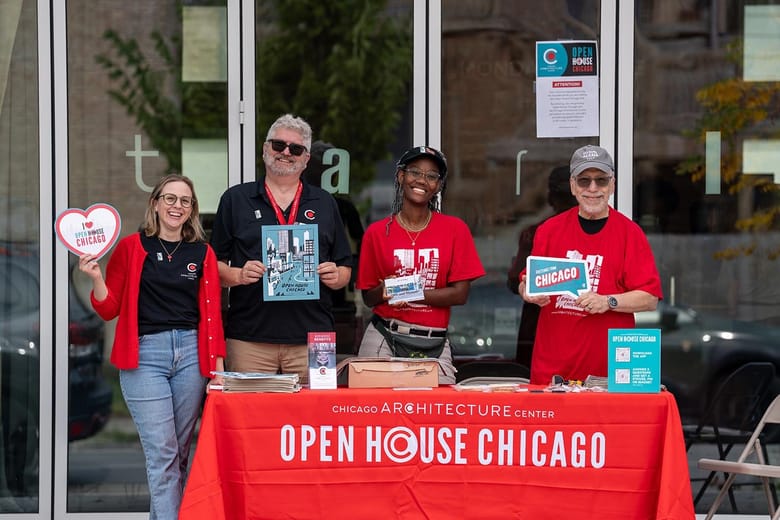
Volunteers and staff bringing spirit and energy to OHC 2025!
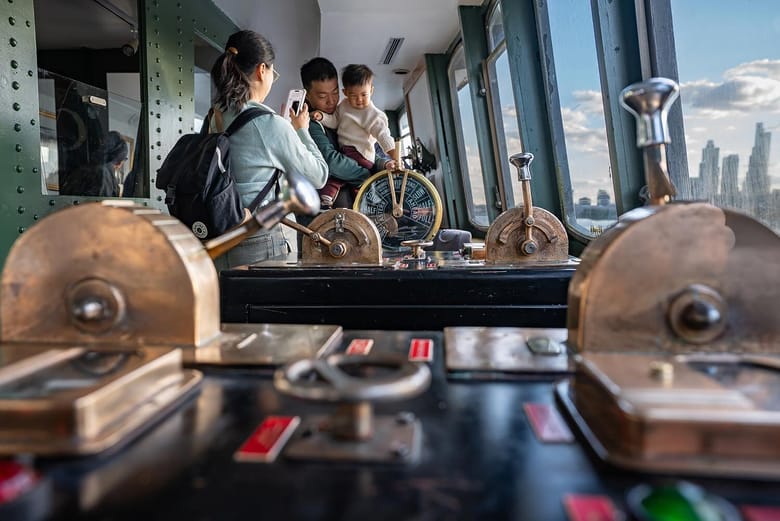
People having fun and learning at Open House Chicago 2025!
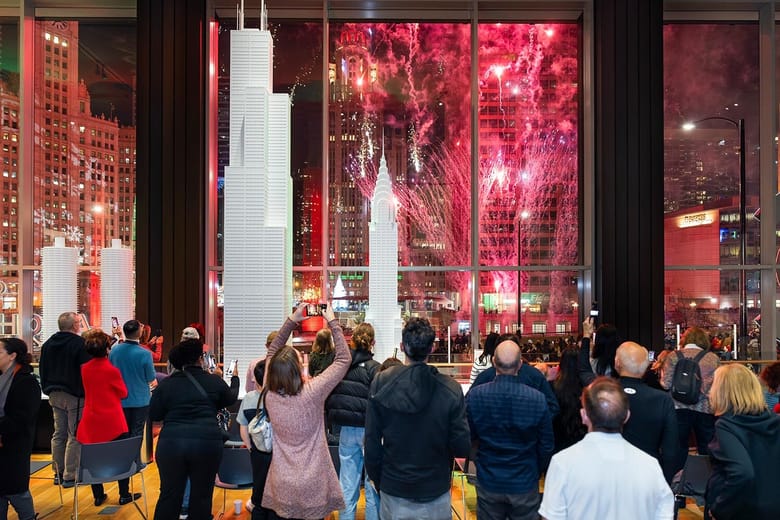
Members enjoying the prime view of the Mag Mile Lights Festival Fireworks Spectacular.
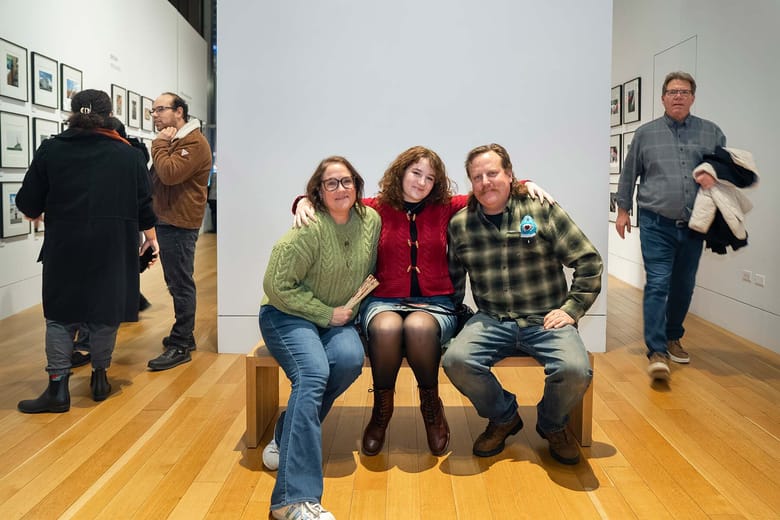
Members enjoying the Framed Views exhibition 2025.
Published on LinkedIn, January 2026
2025 was a productive year for architecture and design in Chicago. A lot of long-term projects came to pass last year, including some against long odds. And there were many important planning wins for our city, all of which can deliver to us a meaningful foundation for the years ahead. So, let’s take a step back and look at the bigger picture of what 2025 brought us:
Several of Chicago’s most watched undeveloped tracts took big steps forward. We’ve been waiting more than a decade for this sort of news!
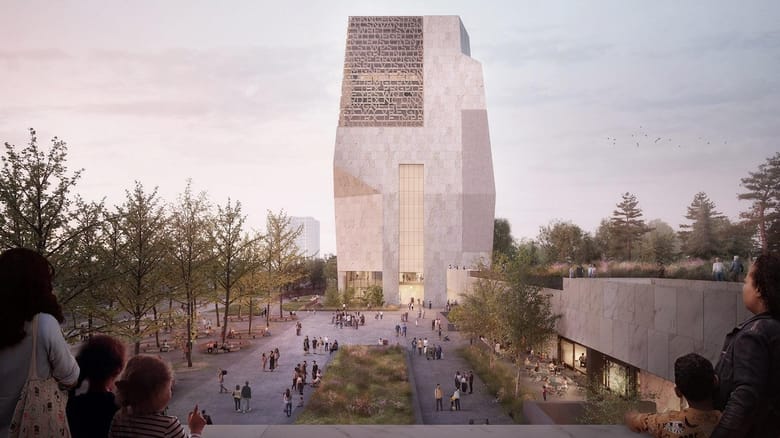
The Obama Presidential Center. Rendering by Tod Williams Billie Tsien Architects.
The physical components of the monolithic Obama Presidential Center (Tod Williams Billie Tsien Architects + Partners) are coming into view with a promised early summer 2026 opening almost here. One of the most significant cultural projects of the decade, it incorporates public art by more than 25 artists including a sculpture by Richard Hunt, a water feature by Maya Lin, painted glass windows by Julie Mehretu and a frieze by Theaster Gates. This will be a catalyst for continued investment in its surrounding neighborhoods, and the CAC’s Chicago Community Planning Academy is equipping neighborhood residents to guide that change in Woodlawn and South Shore.
In November, the Chicago Plan Commission adopted the Chicago Department of Planning and Development-led Central Area Plan 2045, setting down more than 250 recommendations for local improvements to guide public and private investment in Chicago’s city center. The big idea here is to encourage more mixed uses in the downtown, including more housing, to spur a more vibrant city. In order for this to work, third spaces also need to be addressed; those spaces that are free and provide open space, greenery and ways to convene outside work or home. Perhaps there is an annual plan to achieve these goals where the public is included?
With multiple teams simultaneously pursuing new facilities or major development projects, the Chicago Architecture Center recognized the opportunity to rethink how we build neighborhoods with stadiums as an anchor and achieve a win-win for both teams and communities. Meant to be an inspirational summary of opportunities and the facts for stakeholders, communities and legislators, CAC published its findings in fall 2025, introducing “The Chicago Model” in the playbook “Win/Win: The New Game Plan for Urban Stadiums.”
Multiple City-led revitalization projects were completed or significantly moved forward in 2025 offering affordable housing to hundreds of families while foregrounding exceptional design and catalyzing public-private investment in historically disinvested neighborhoods on the city's South and West Sides.
Transit-Oriented Development (TOD) places housing and retail development near where public transit is readily available. Re-densifying transit-served corridors can deliver housing choice and opportunity free of car dependency. Several long-term TOD projects bore fruit in 2025, some as a direct result of the City Council’s 2022 TOD ordinance and others occurring organically. The completion of phase two of the aforementioned 43 Green (LBBA; Moody Nolan) in Bronzeville adjacent to the 43rd Street Green Line Station and Grace Manor Apartments (Juan Gabriel Moreno Architects (JGMA)) near the CTA Pink Line in North Lawndale are two examples among dozens of additional TOD projects that are in progress across the city. The Chicago Architecture Center’s user-friendly Transit-Oriented Development exhibit lays out several permutations of TOD in process across the city.
Exceptional adaptive reuse projects demonstrate how preservation can anchor community identity while accommodating contemporary programs and needs.
2025 was a productive year for architecture and design in Chicago. A lot of long-term projects came to pass last year, including some against long odds. And there were many important planning wins for our city, all of which can deliver to us a meaningful foundation for the years ahead. So, let’s take a step back and look at the bigger picture of what 2025 brought us:
Several of Chicago’s most watched undeveloped tracts took big steps forward. We’ve been waiting more than a decade for this sort of news!
As we reflect on this past year, we also remember CAC Trustee Emeritus Jan Grayson, architects Frank Gehry, David Childs, Robert A.M. Stern, John Morris and others whose work shaped Chicago’s rich architectural legacy. Their influence reminds us that the city’s built environment is always a conversation between past, present and future. There is much to watch, debate and solve in the year ahead, and Chicago’s architects, planners and designers are ready to meet the moment with energy and creativity. At the Chicago Architecture Center we tackle it all, with insight, levity and camaraderie.

Please contact Jorrie Jarrett with any questions or input on the content of this report.
