LETTER FROM THE CEO & PRESIDENT
Dear Board Members, Volunteer Community and Staff,
The first quarter of 2026 has offered powerful reminders of how the Chicago Architecture Center continues to inspire curiosity, spark dialogue and bring people together around the future of our built environment.
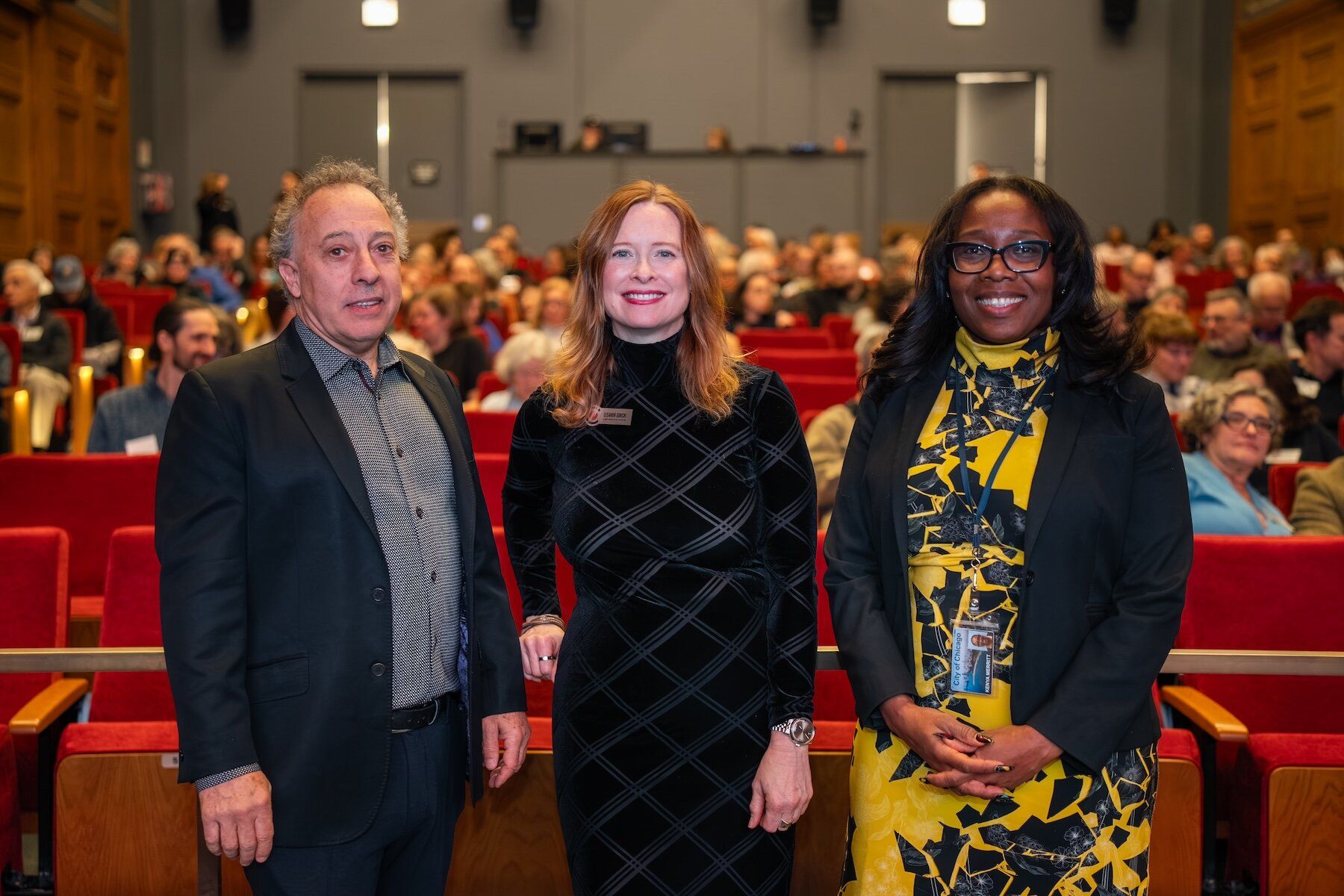
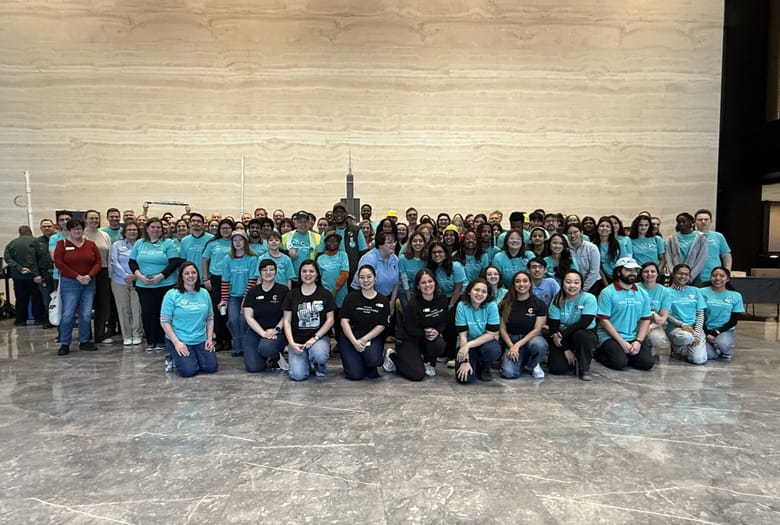
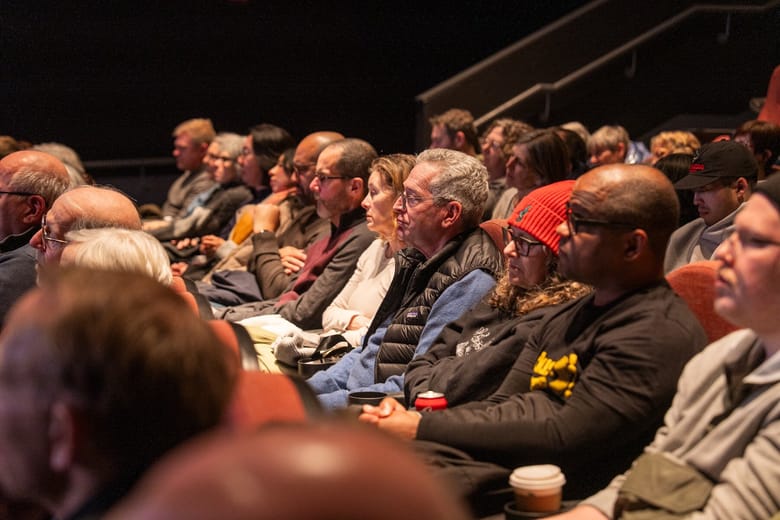
Sixty years ago, a group of passionate Chicagoans came together to save the historic Glessner House. On April 16, 1966, they signed a resolution creating the Chicago School of Architecture Foundation — the precursor to the CAC — igniting a citywide movement for preservation and architectural advocacy that has since become part of Chicago’s DNA. On April 21, during National Volunteer Week, I was honored to commemorate this anniversary with a 60th anniversary toast to our world‑class community in front of a packed gathering of volunteer docents, founders, longtime supporters, CAC members, community partners and staff. Afterward, in an overflowing lecture hall, inaugural trustee Wayne Benjamin, early staffer Susan Benjamin, early volunteer Cynthia Weese and Glessner House executive director Bill Tyre joined me to share inspiring reflections on the early days of this work and the legacy that continues to guide us.
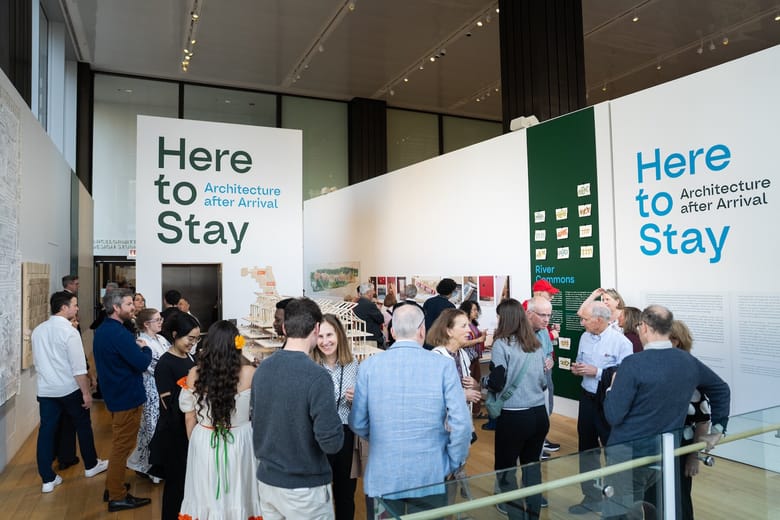
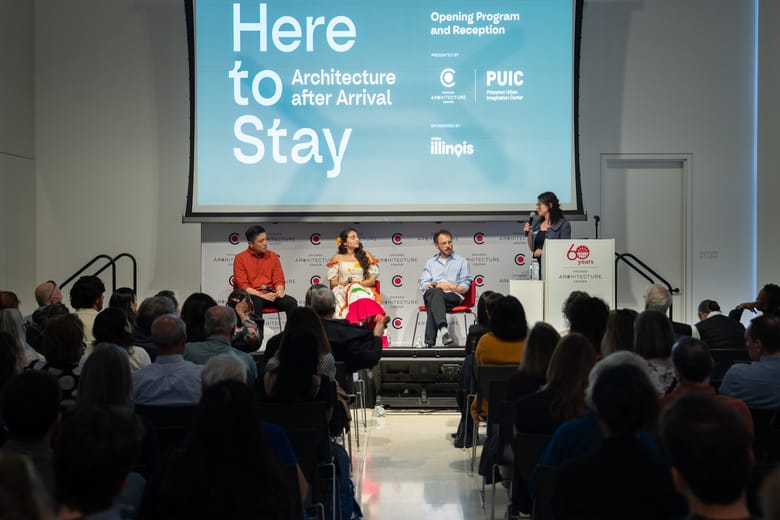
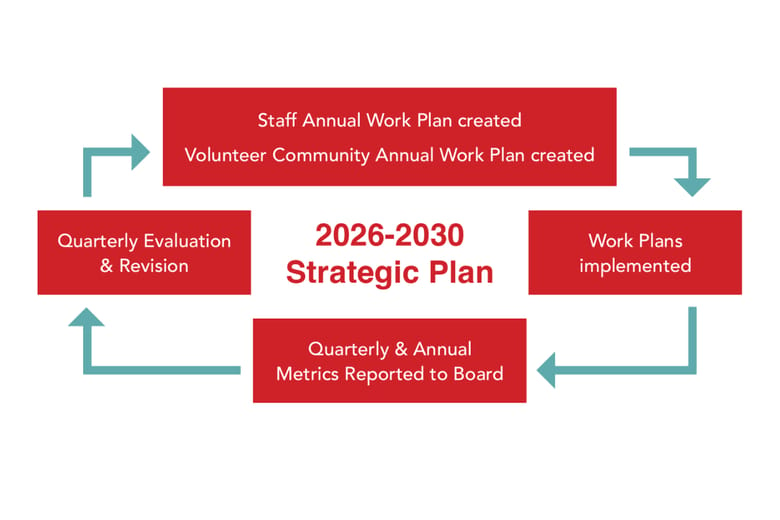
This quarter we launched the 2026–2030 Strategic Plan, outlining our vision to become the global standard among architecture centers, a convener of Chicagoans and a global ambassador for Chicago as the capital of architecture and design. Our spirit of forward-looking creativity is embodied in the inaugural Princeton / Chicago Architecture Center Fellowship. Last year, three early‑career architects and designers were selected to explore speculative interventions on the theme Re: Settlement. Their resulting exhibition, Here to Stay: Architecture After Arrival, is on view at the Center through May 26, offering bold, generous designs that reimagine immigrant welcome as civic infrastructure worthy of Chicago’s architectural tradition.
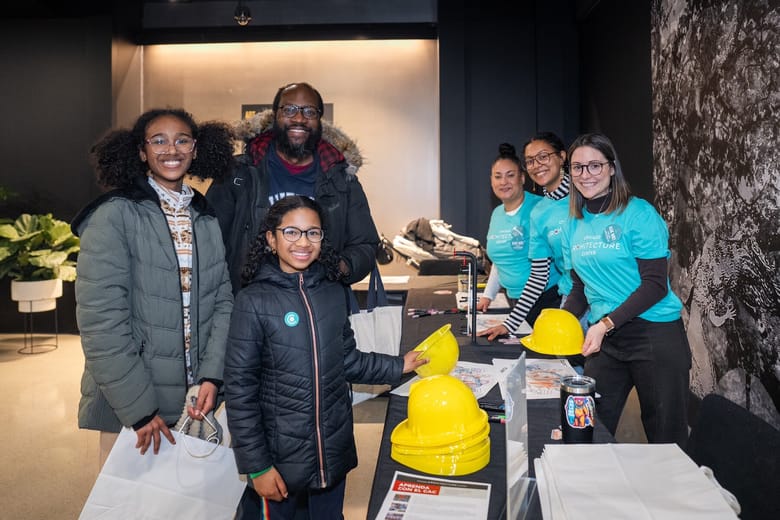
February brought the joyful return of Engineering Fest to Willis Tower, where more than 2,000 young constructors built bridges, dams and roller coasters and explored the wonders of design at our largest annual family event. This same month, the annual Architecture & Design Film Festival drew sold‑out crowds and international filmmakers for a weekend celebrating creativity, sustainability, housing and community resilience.
River tour season officially resumed in March with continued national recognition for the Chicago Architecture Center River Cruise aboard First Lady. This summer, as part of America 250 celebrations, we launch our new Historic Route 66 By Bus tour, alongside new walking tours including Intro to Chicago Architecture and The Legacy of Northalsted.
Looking ahead, this summer we are excited to open the Chicago Architecture Center Marquette Hub — our second location, in the historic Marquette Building — and to debut Flyway City: Architecture for a Flourishing Ecosystem, a passion project co-curated by the CAC and Studio Gang exploring bird‑safe design, presented alongside a companion exhibition co-curated with Openlands, titled Chicago’s Living Habitat, opening June 11.
As we celebrate this milestone 60th year and look ahead to an ambitious season of exhibitions, programs and civic initiatives, I am energized by the momentum we are building together. The CAC’s impact is possible because of the collective talent, generosity and vision of this community. Thank you for advancing our mission with such purpose and passion as we continue shaping Chicago’s architectural story for the next 60 years and beyond.
With appreciation,
Eleanor Esser Gorski, AIA
CEO & President
Chicago Architecture Center